Community
Dental Crowns vs. Fillings: What’s the Right Fix for Your Damaged Tooth?
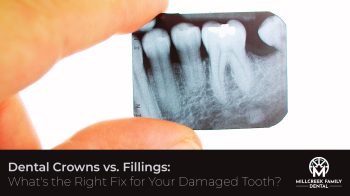 When a tooth is damaged by decay, wear, or injury, choosing the right restoration matters. Many patients ask about the difference between a dental crown and a filling, and which option will protect their tooth long-term. While both treatments restore function, they serve different purposes depending on the condition of the tooth and your overall oral health.
Understanding Dental Fillings
What is a Dental Filling?
A dental filling repairs a portion of your tooth that has been damaged by decay or a minor fracture. The affected area is cleaned and filled with a restorative material that seals the tooth and restores its shape.
-
When Are Fillings Recommended?
Fillings are typically recommended when decay or damage is limited, and the remaining tooth structure is strong enough to support normal biting forces. Early cavities are often ideal candidates for fillings.
-
Types of Filling Materials
Common filling materials include composite resin and amalgam. Composite fillings are tooth colored and blend naturally with the surrounding enamel. Amalgam fillings are durable and have been used for decades, though they are more visible.
-
Pros and Cons of Dental Fillings
Fillings are conservative and usually completed in one visit. They preserve more natural tooth structure and are often more affordable. However, they may not provide enough strength for teeth with extensive damage.
Understanding Dental Crowns
What is a Dental Crown?
A dental crown is a custom restoration that fully covers a tooth. It acts like a protective shell, restoring strength, shape, and function while shielding the remaining tooth from further damage.
-
When are Crowns Recommended?
Crowns are recommended when a tooth is significantly weakened by large cavities, fractures, or previous dental work. They are also commonly used after root canal treatment.
-
Types of Crown Materials
Crowns can be made from porcelain, zirconia, metal, or a combination of materials. Tooth colored crowns are often chosen for their natural appearance and durability.
-
Pros and Cons of Dental Crowns
Crowns offer excellent strength and long-term protection. They can restore severely damaged teeth and improve appearance. The process typically requires more than one visit and may cost more than fillings.
Key Differences: Crowns vs. Fillings
-
Extent of Damage and Tooth Structure
The amount of remaining healthy tooth plays a major role in the decision between a dental crown and a filling. Small areas of decay often respond well to fillings, while larger damage may require full coverage.
-
Durability and Lifespan
Crowns generally last longer and withstand greater chewing forces. Fillings may need to be replaced sooner, especially in high-pressure areas.
-
Cost Comparison
Fillings are usually less expensive upfront. Crowns involve more materials and lab work, which affects the overall cost.
-
Aesthetic Considerations
Tooth colored fillings and crowns both offer natural-looking results. Crowns may provide a more uniform appearance when teeth are heavily damaged or discolored.
-
The Restoration Process
Fillings are placed directly in the tooth during one appointment. Crowns require shaping the tooth and placing a custom restoration for full coverage.
How to Choose: Crown or Filling?
Factors Your Dentist Considers
- Location of the Damaged Tooth: Back teeth experience more force and may benefit from the added strength of a crown.
- Your Oral Health History: Teeth with repeated fillings or cracks may require crowns for lasting stability.
- Your Budget and Insurance: Cost and coverage can influence the recommended treatment. Your dental team can explain options clearly.
Why Expert Consultation is Crucial
Only a thorough dental exam can determine which restoration will best protect your tooth. Professional guidance helps prevent future complications.
The Treatment Process: What to Expect
Dental Filling Procedure Steps
Dr. Baird removes decay, prepares your tooth, and places the filling material. The filling is shaped and polished for comfort and function.
Dental Crown Procedure Steps
The tooth is shaped to allow room for the crown. An impression is taken to create a custom fit. A temporary crown may be placed until the final crown is secured.
Caring for Your Restored Tooth
- Post-Treatment Care for Fillings
Avoid hard foods immediately after treatment and maintain good brushing and flossing habits.
- Post-Treatment Care for Crowns
Crowns should be cared for like natural teeth. Proper hygiene helps prevent decay around the edges.
- Long-Term Maintenance Tips
Regular dental visits and daily oral care extend the life of both fillings and crowns.
Why Choose Millcreek Family Dental for Your Dental Needs?
Millcreek Family Dental provides thoughtful, patient-focused care using modern techniques. Treatment recommendations are based on preserving tooth health and long-term comfort.
Conclusion: Making the Right Choice for Your Smile in Bountiful, UT
Choosing between a dental crown and a filling depends on the condition of your tooth and your personal needs. With professional guidance, you can select the option that restores function, protects your smile, and supports lasting oral health. We invite you to schedule a consultation with Dr. Anthony Baird, DDS.
Disclaimer: The content of this blog is not intended to be a substitute for professional medical advice, diagnosis, or treatment. Always seek the advice of qualified health providers with questions you may have regarding medical conditions. Your results may vary.